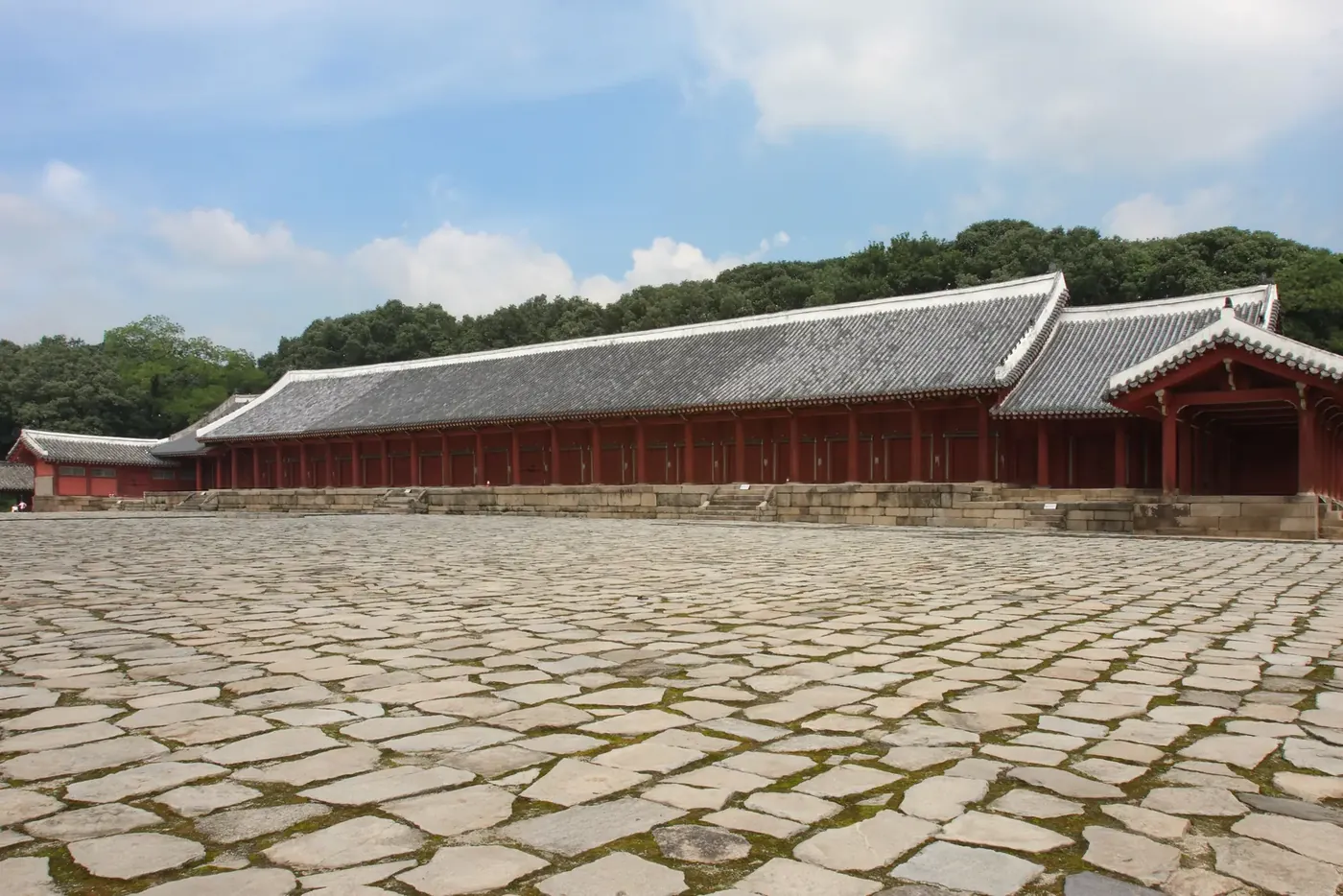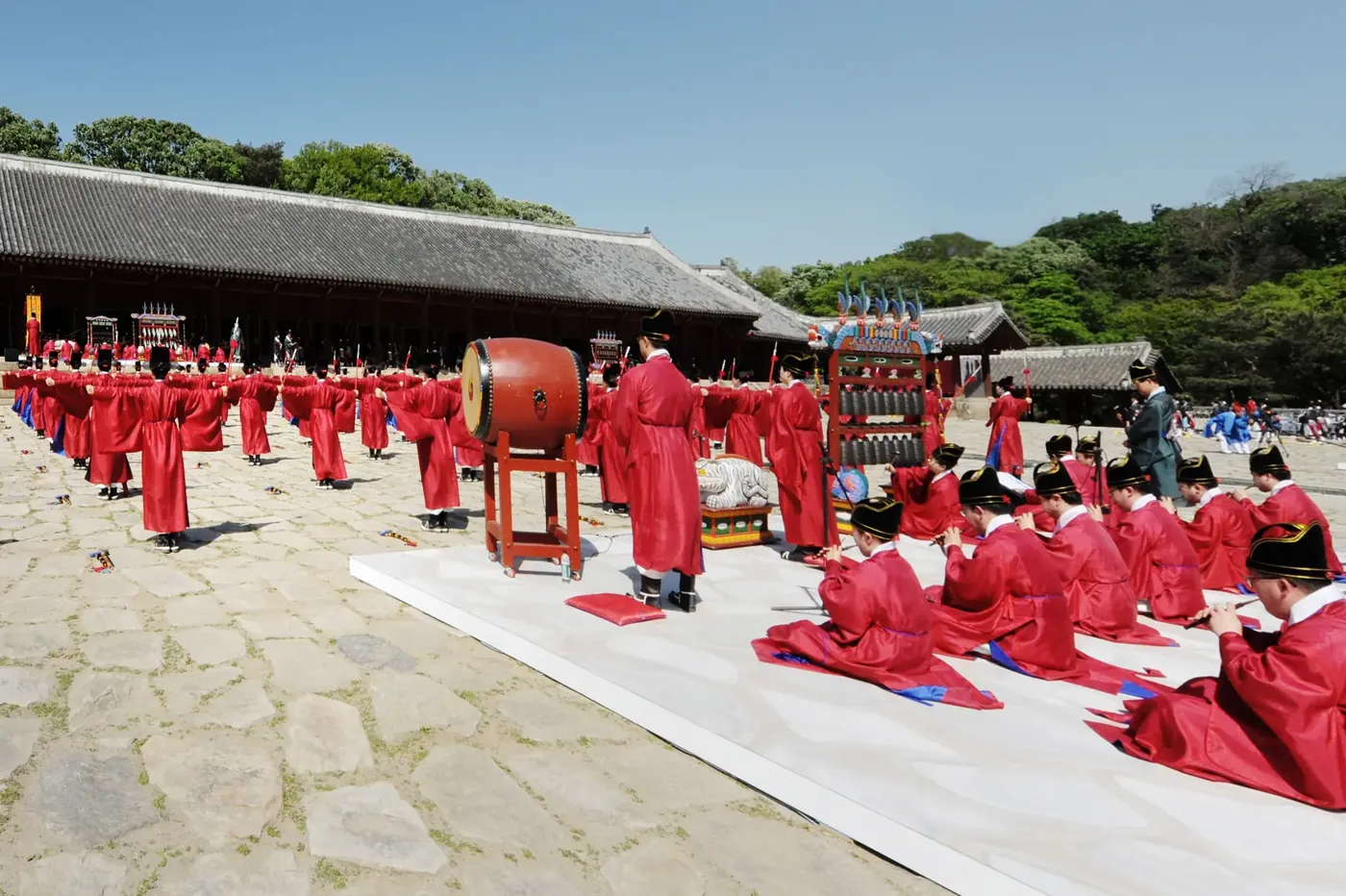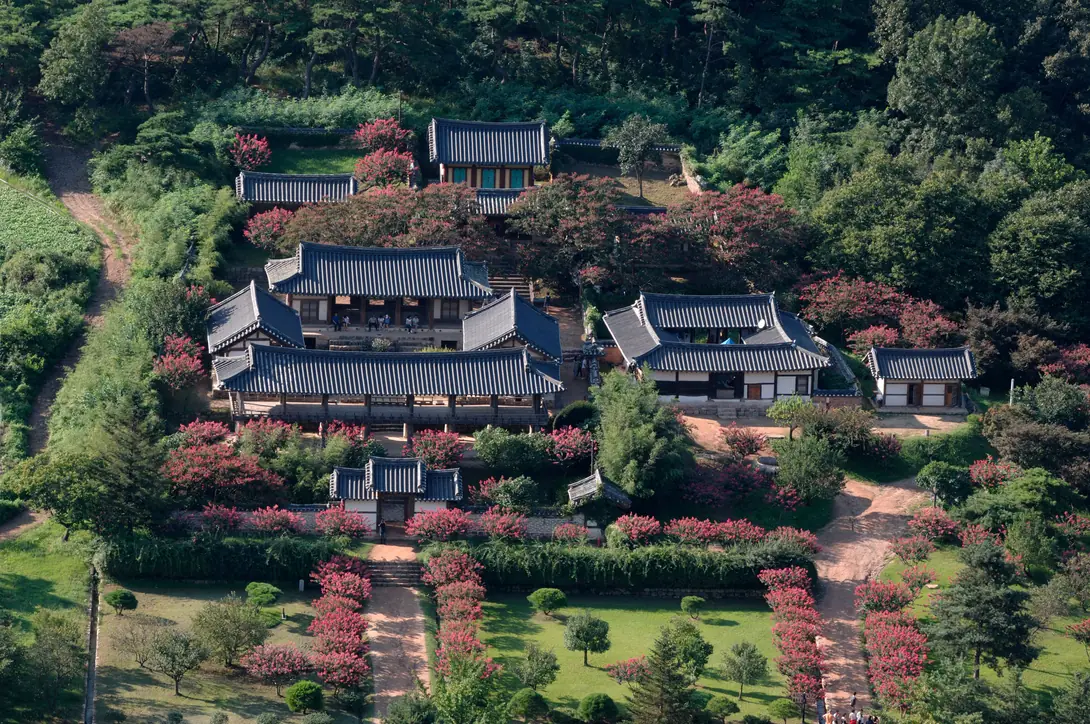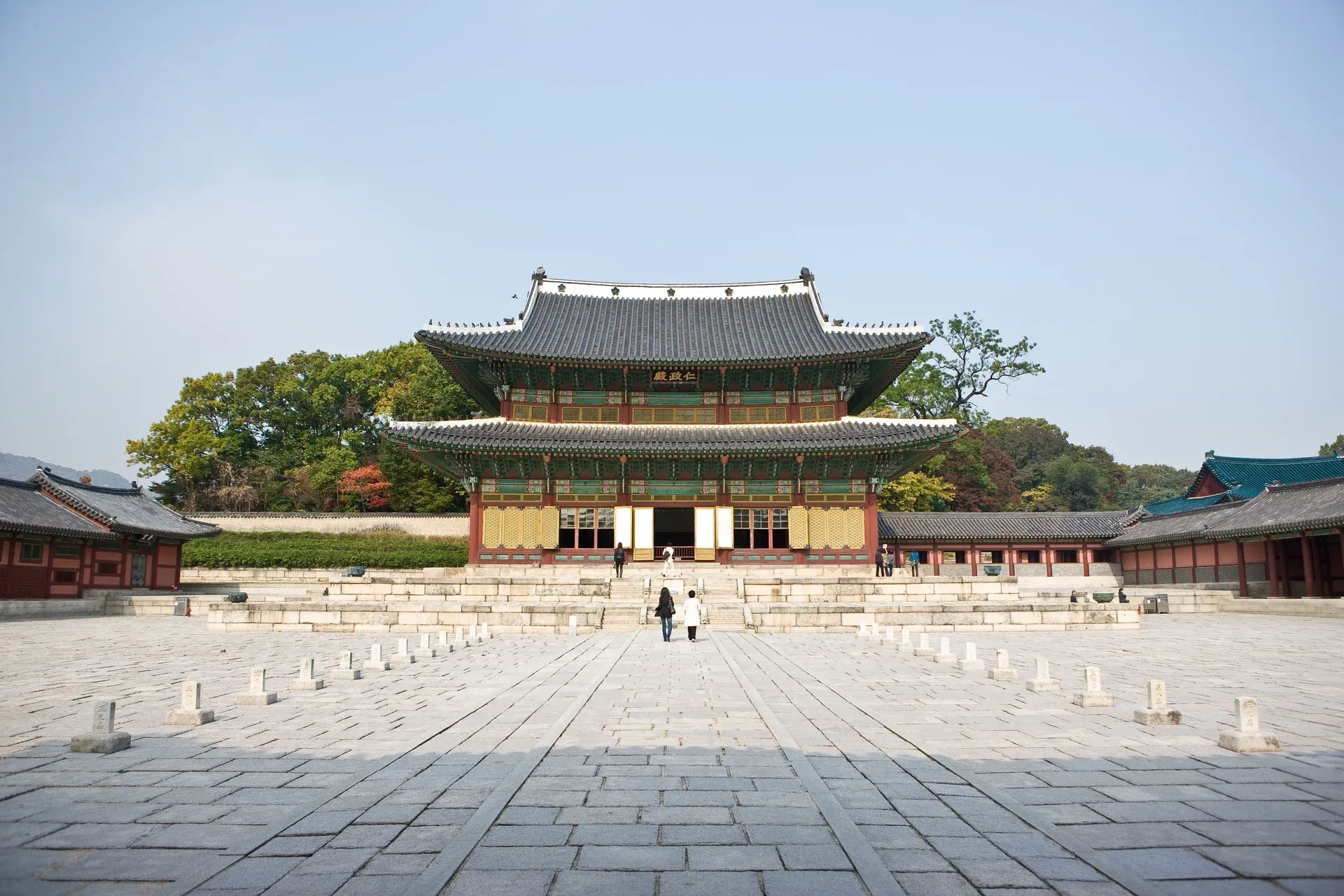
Korea has 17 UNESCO World Heritage sites on the UNESCO World Heritage Centre list, 15 cultural and 2 natural. The journey follows a historical sequence rather than collecting designation labels. Jongmyo was inscribed in 1995 and Changdeokgung in 1997. Seoul introduces the institutions of the Joseon court through palace and ritual spaces. Andong then shifts the focus from central authority to a clan village and Neo-Confucian academy, showing how social order was expressed beyond the capital.
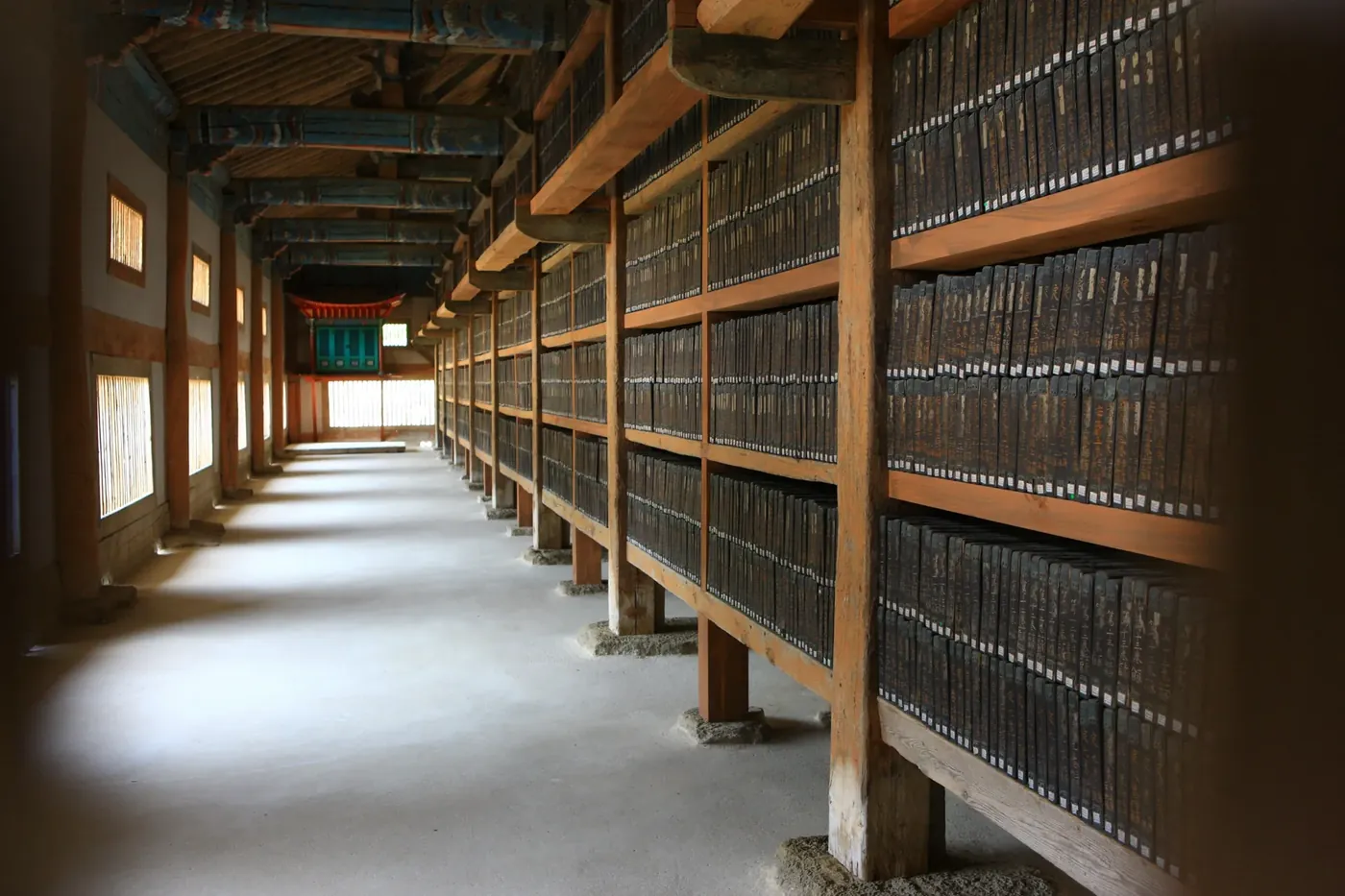
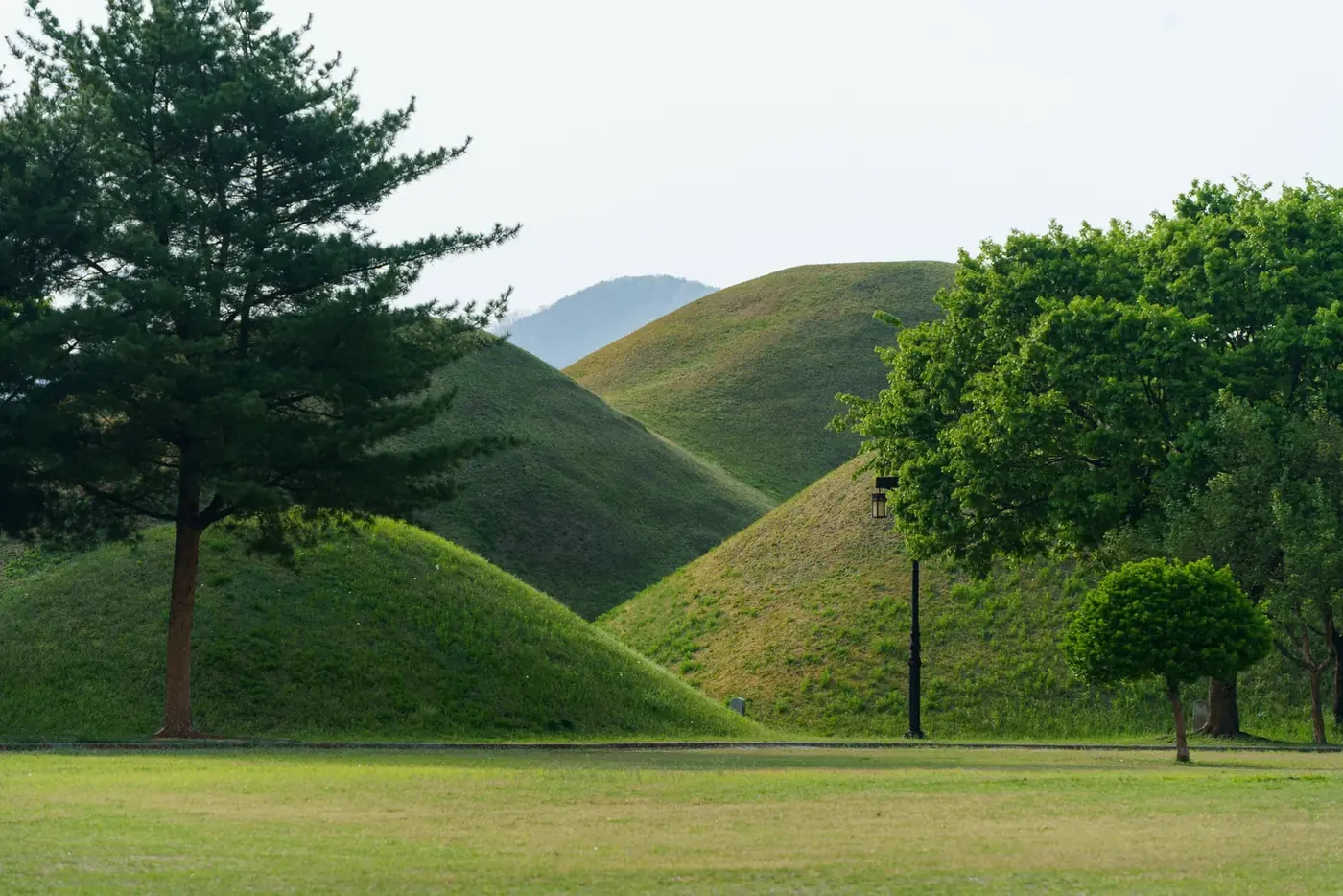
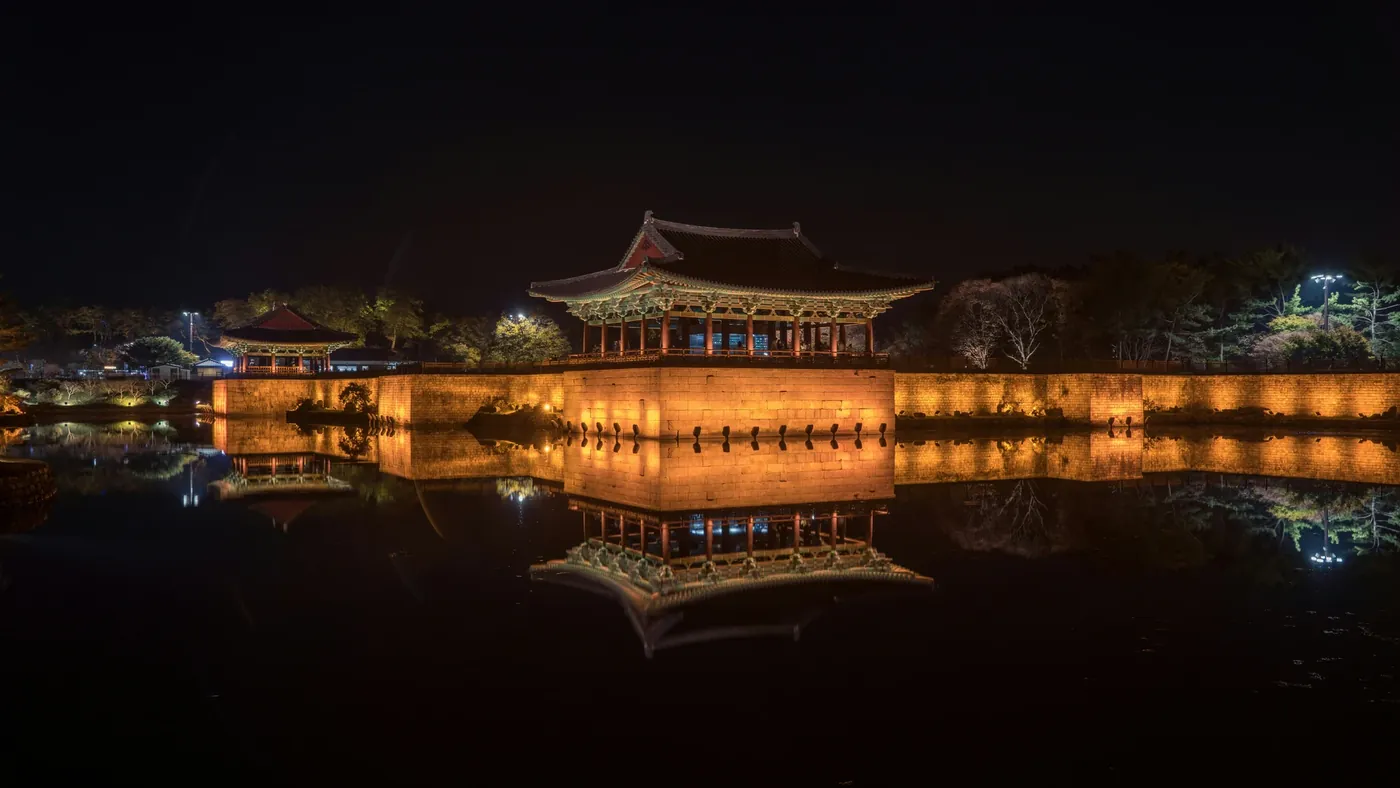
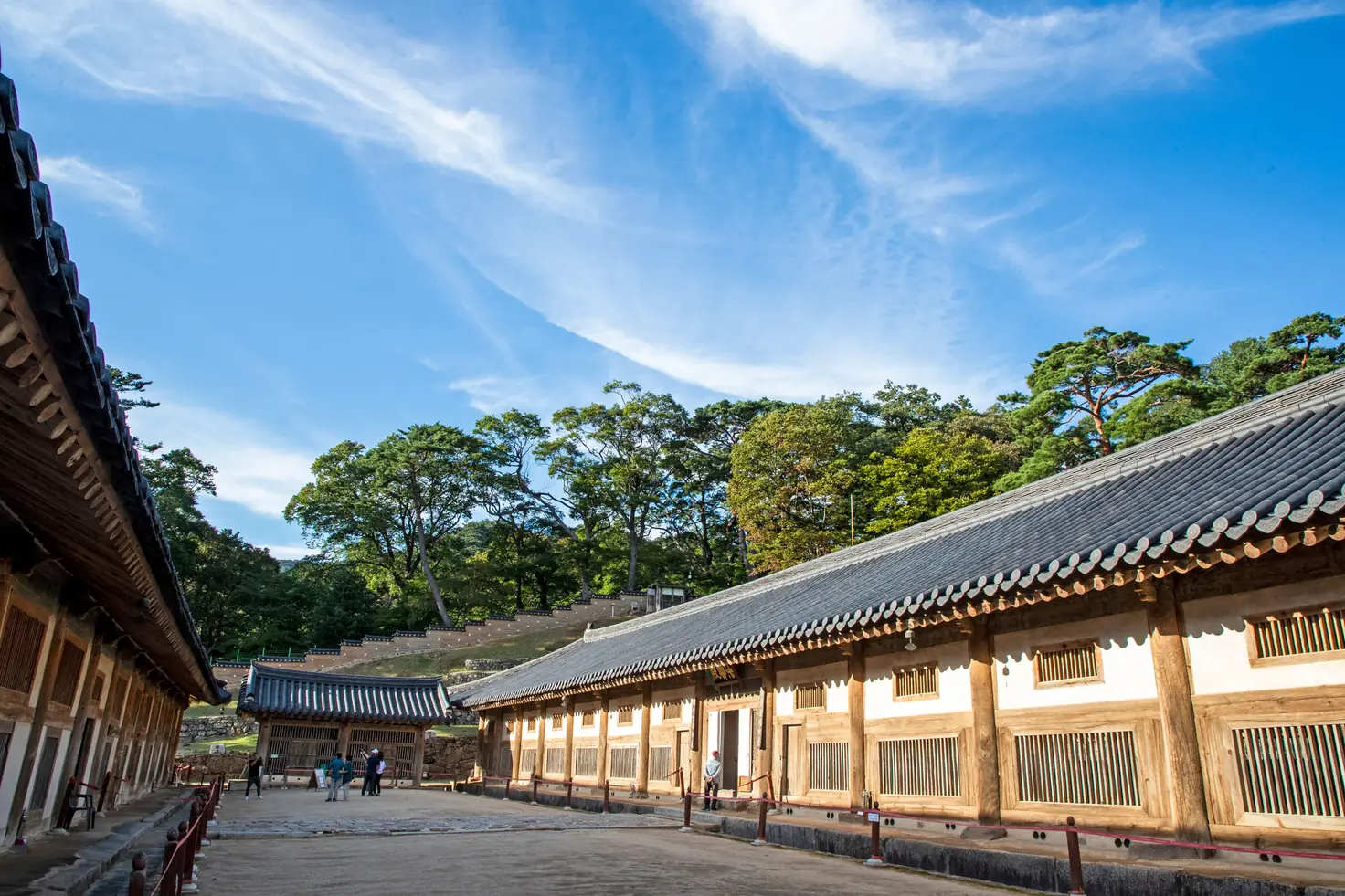
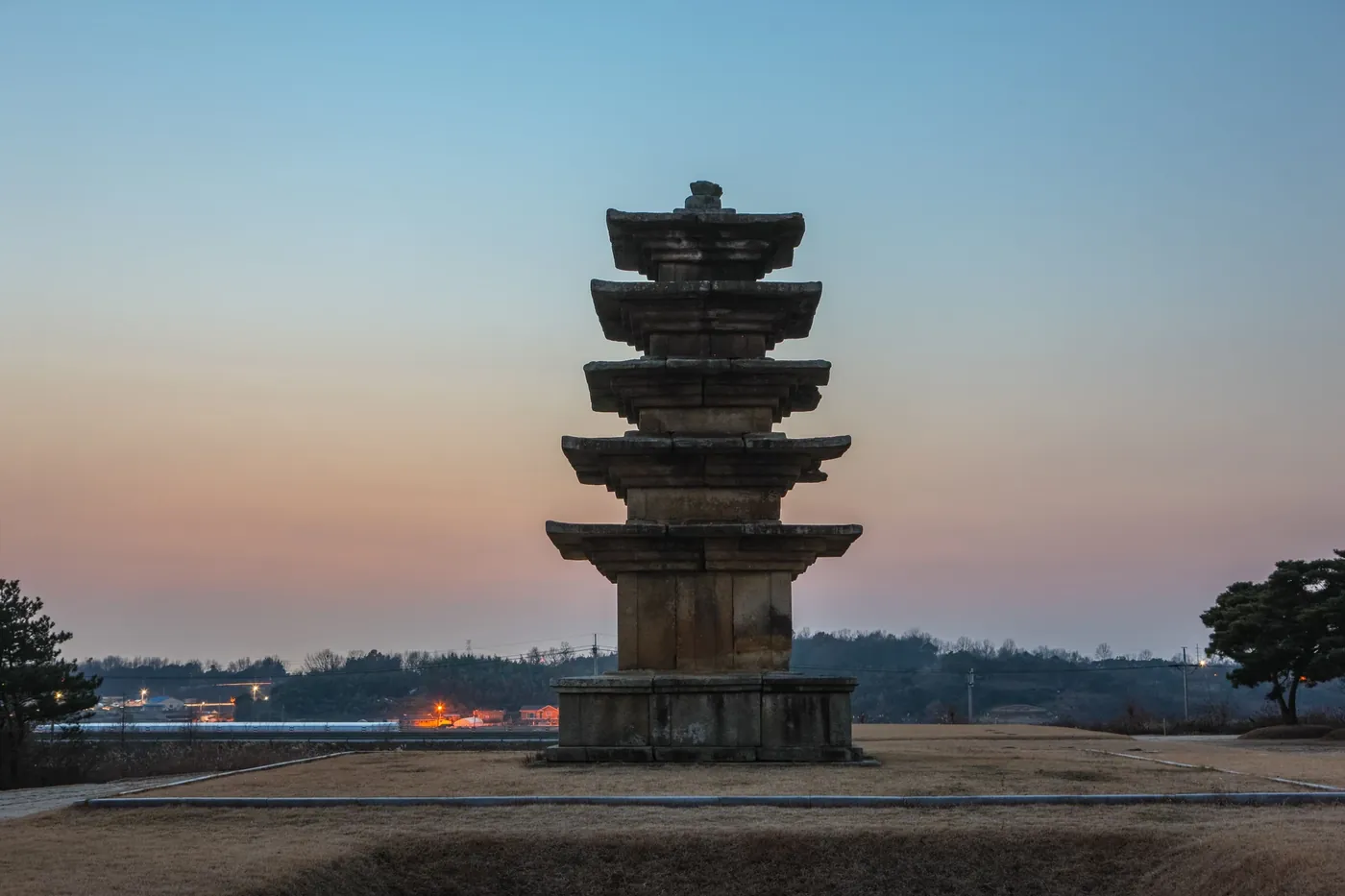
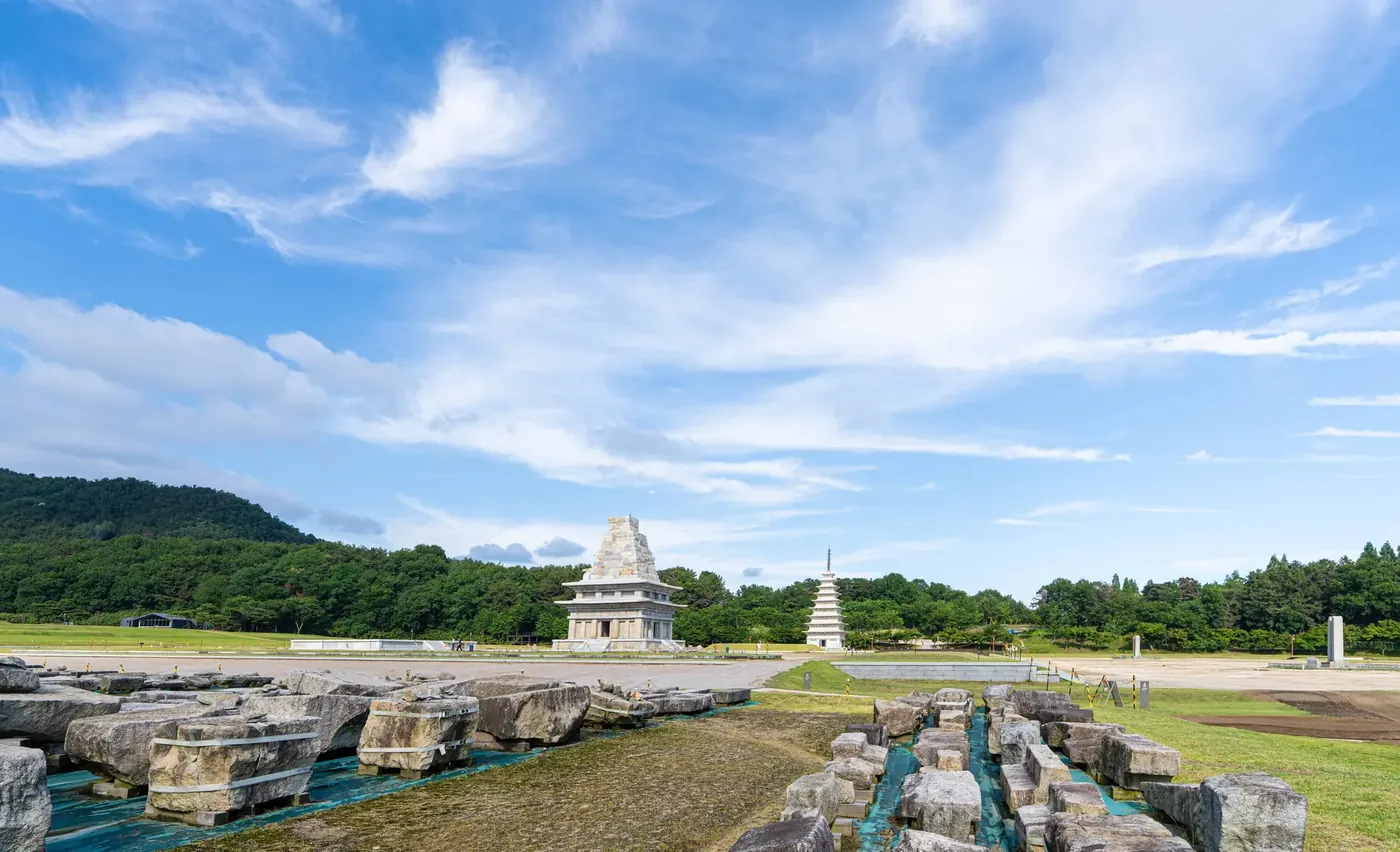
Gyeongju's historic areas were inscribed in 2000, and Seokguram and Bulguksa in 1995. Hahoe joined the list in 2010 as one of the Historic Villages of Korea, and the Baekje sites around Iksan followed in 2015. Gyeongju moves further back to Silla, where Buddhist monuments, royal tombs and archaeological remains form a broad historic landscape. Haeinsa shifts the focus from political power to the preservation of Buddhist texts. The route closes in Iksan, where archaeological sites reveal Baekje palace planning and Buddhist culture, before returning to Seoul for the final night. Seoul site order is adjusted around weekly palace and shrine closures.